Free, self‑paced email course
Understand Persistent Pain: A Free 6-Week Self‑Paced Email Course
Exploring Load vs Capacity and How the Nervous System May Influence Symptoms
Practical, educational emails to help you better understand persistent symptoms—what 'load vs capacity' means and how the nervous system may influence your experience. Delivered by email.
100% free · No spam guarantee
This is educational support, not medical advice, diagnosis or treatment. If you have persistent or worsening symptoms please seek a healthcare assessment.
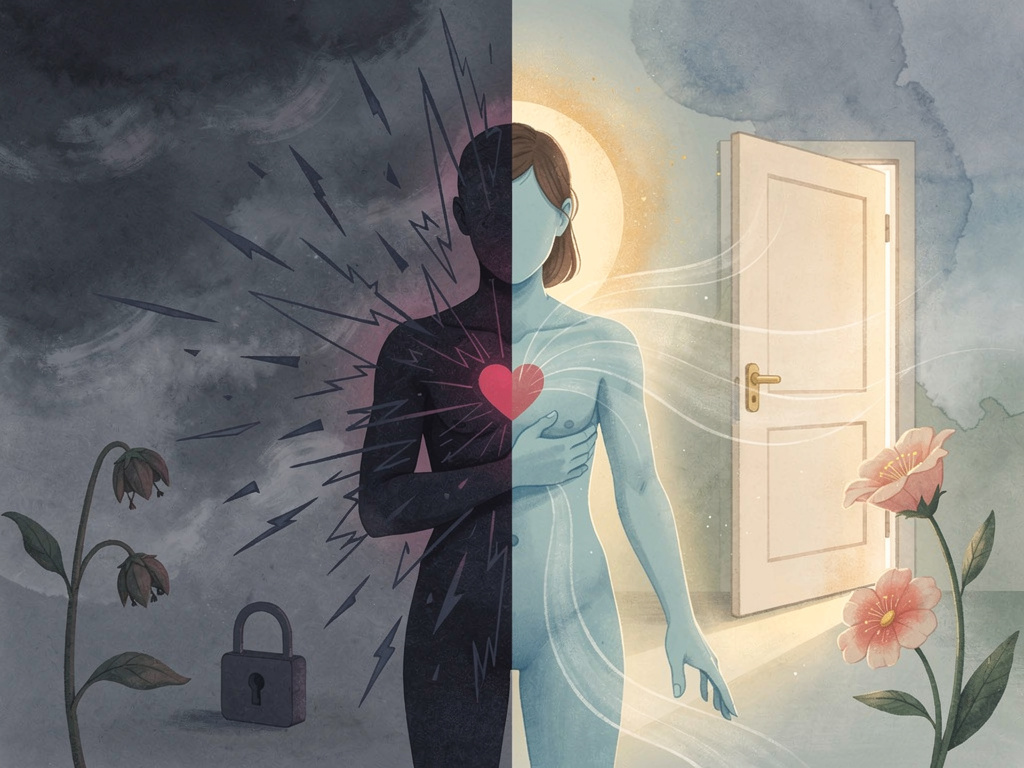
REFRAMING PAIN
Chronic Pain Isn't Only About
Tissue Damage
We know chronic pain can be confusing, frustrating, and exhausting. Modern pain science offers perspectives that may help explain why symptoms persist: in addition to tissue factors, the nervous system and lived experience can influence how sensations are interpreted. Thinking in terms of load vs capacity—the demands placed on the body versus its ability to tolerate them—can be a useful way to understand why activity sometimes leads to symptoms, without implying a simple fix.
This view isn't meant to blame or minimize your experience; it's intended to give practical language to explore gentle, non‑medical self‑management strategies alongside professional care.
- Trying many treatments and feeling discouraged when relief is temporary
- Worrying that your body is fragile or that movement will cause harm
- Feeling emotionally drained by persistent symptoms and uncertainty
Some people find that gradual, practical approaches—breathing, graded activity, pacing, and other self‑management strategies informed by neuroplasticity—can help shift protective responses over time. These approaches are not guaranteed cures, but they can be helpful tools to support better symptom management for some individuals.
If you feel overwhelmed, that's completely understandable. Learning gentle, practical strategies at your own pace can be a compassionate next step and may increase confidence and capacity alongside your healthcare team's guidance.
Course Format
Your Guide to
Safety Mode
01
Sign Up
Provide your email to receive a welcome packet with an overview of the course, learning objectives, and practical tips to prepare your environment and schedule for week one.
02
Weekly Emails
You will receive two focused lessons each week, organized to build understanding progressively with clear learning goals and manageable practice suggestions.
03
Actionable Steps
Practice short, evidence-informed exercises (about 10–15 minutes) that teach body awareness, grounding techniques, and practical self‑management skills you can integrate into daily life.
CURRICULUM
The 6-Week
Module Roadmap
01
Module 1: How experiences influence symptoms
Key Takeaway: Learn how experiences, thoughts, and activity can influence symptoms and explore modern pain science ideas about why this happens. Find practical ways to start changing unhelpful patterns.
02
Module 2: Recognizing threat and safety responses
Key Takeaway: Identify common triggers and learn simple physical cues and pacing skills to help shift toward feeling safer, drawing on emerging research.
03
Module 3: Gentle body tracking
Key Takeaway: Practice noticing sensations without judgment to better understand patterns and respond more calmly; includes practical tracking and pacing skills.
04
Module 4: Rethinking thoughts about symptoms
Key Takeaway: Learn straightforward ways to notice and reframe unhelpful thoughts using modern pain science ideas and evidence‑informed techniques.
05
Module 5: Gradual activity building
Key Takeaway: Build confidence through gradual, planned increases in activity and use pacing to progress safely, informed by emerging research.
06
Module 6: Sustainable daily plan
Key Takeaway: Create a practical long‑term routine to support ongoing progress and reduce setbacks, focusing on habits, pacing, and gradual gains based on modern pain science ideas.
STUDENT EXPERIENCES
Relief That Speaks
Volumes
I felt more informed and better able to make choices about my activity. The course explanations were clear and supportive.
The lessons helped me understand the concepts and offered practical, easy-to-follow steps. I appreciated the clear, non-judgmental guidance.
The weekly materials were clear and easy to follow. I felt supported and more confident in making choices about my activities.
Ready to Learn Practical Ways to Calm and Support Your
Everyday Well‑Being?
Join thousands who have taken practical, non‑medical steps to reduce stress, build resilience, and feel more grounded in daily life.
100% Free Email Course • Unsubscribe Anytime
Disclaimer: This course provides educational information and practical ideas, not medical advice, diagnosis or treatment. If you have ongoing or worsening symptoms seek a healthcare assessment.

Your Instructor
Guided by
Experience
I've spent over 25 years studying how the brain and nervous system relate to persistent pain and learning evidence‑informed approaches to support people living with it. My background combines training in chiropractic, clinical research, biochemistry and supportive coaching, and I focus on clear, practical, non‑medical strategies to help people better understand and manage everyday pain.
I created this program because you deserve access to clear, evidence‑informed tools without the overwhelm of clinical jargon. As a trained educator and coach, I provide supportive guidance and practical learning to help you apply skills that many people find helpful for managing pain. This resource is educational and is not a substitute for medical assessment or treatment.
IT'S OKAY TO ASK
Clarity for Your
Journey
We know that trying another approach to chronic pain can feel daunting, especially if you've been navigating this for a long time. This program is designed to be a completely safe, supportive, and self-paced environment. Here are a few common questions to help put your mind at ease.
Is this program right for me?
This course shares basic information about how the nervous system and everyday habits can affect long-term pain. It may help you learn and try gentle ideas, but it is not medical care and does not replace a doctor.
What if I've had pain for years?
People can learn about nervous system ideas at any age. The course explains things in small steps you can try. Results are different for everyone, and nothing here promises a cure. If your pain is getting worse or causing new problems, check with a healthcare professional.
Do I need any special equipment or prior knowledge?
No. You only need an email address and a few minutes of quiet time each week. The course uses plain language and simple practices you can try without special tools.
How much time does it take each week?
Each email is short and made to be easy to read. Reading usually takes about 10–15 minutes, and the suggested practices take only a few minutes a day. You can choose how much to try; this is information to learn from, not a medical treatment.
Why is this program completely free?
This course is free because we want clear, trustworthy information about pain to be available to more people. It is an educational resource and not a substitute for medical advice or care.
Is this course medical advice?
This course is educational only and does not give medical advice or replace a clinical assessment. If you have sudden, severe, or worsening symptoms, or if you are unsure about your health, please contact a doctor or another qualified healthcare professional for an assessment.
Supportive Guidance for Nervous System Regulation
Start Your Free Educational Programme
For Greater Calm and Resilience
Join over 1,000 people learning practical skills to support nervous system regulation and everyday wellbeing.
100% Free
This is educational support, not medical advice. For persistent or severe symptoms please seek a healthcare assessment.
Educational resources about pain, recovery, and wellbeing.
Connect
© 2026 Load and Capacity.
By Peter Bennett.
All rights reserved.
This site provides educational content and is not a substitute for professional medical diagnosis or treatment.