Hidden Sources of Load in Everyday Life
Hidden Sources of Load in Everyday Life
Most people do not suddenly become overwhelmed.
What usually happens is much quieter.
The total load on the system rises, recovery slowly falls behind, and the body begins to change how it responds.
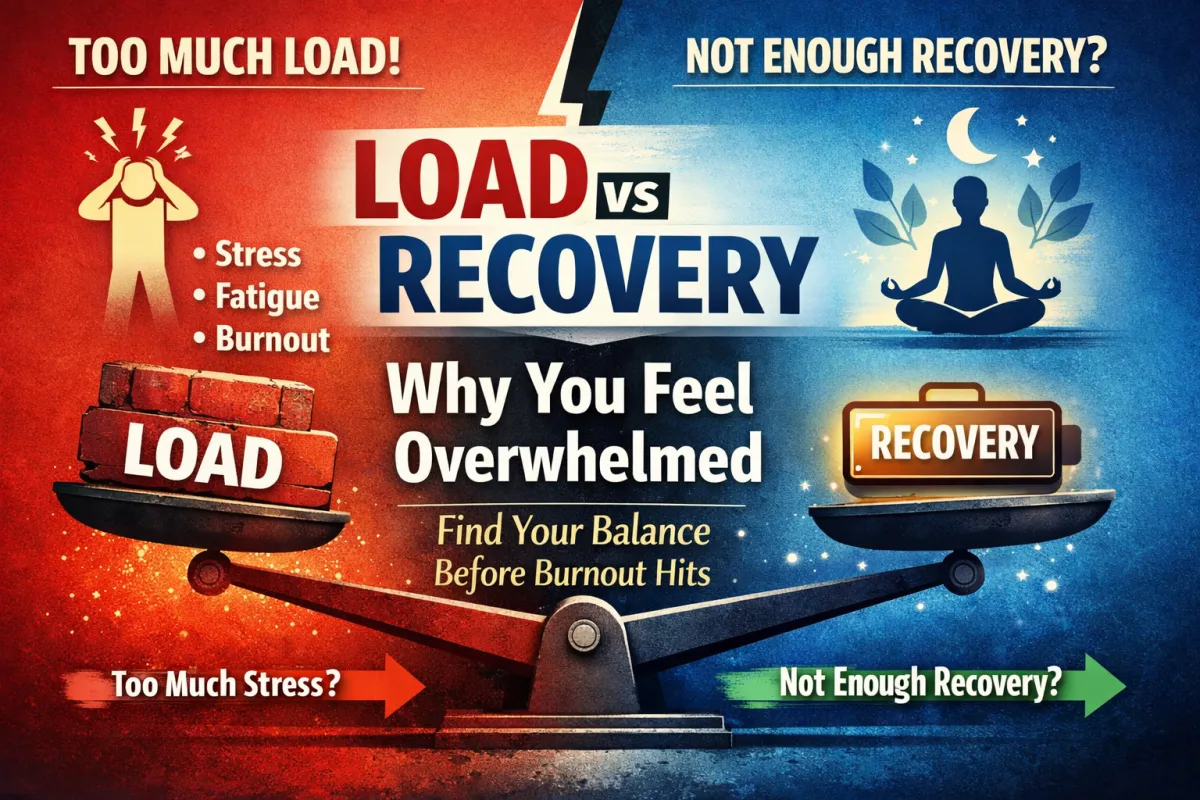
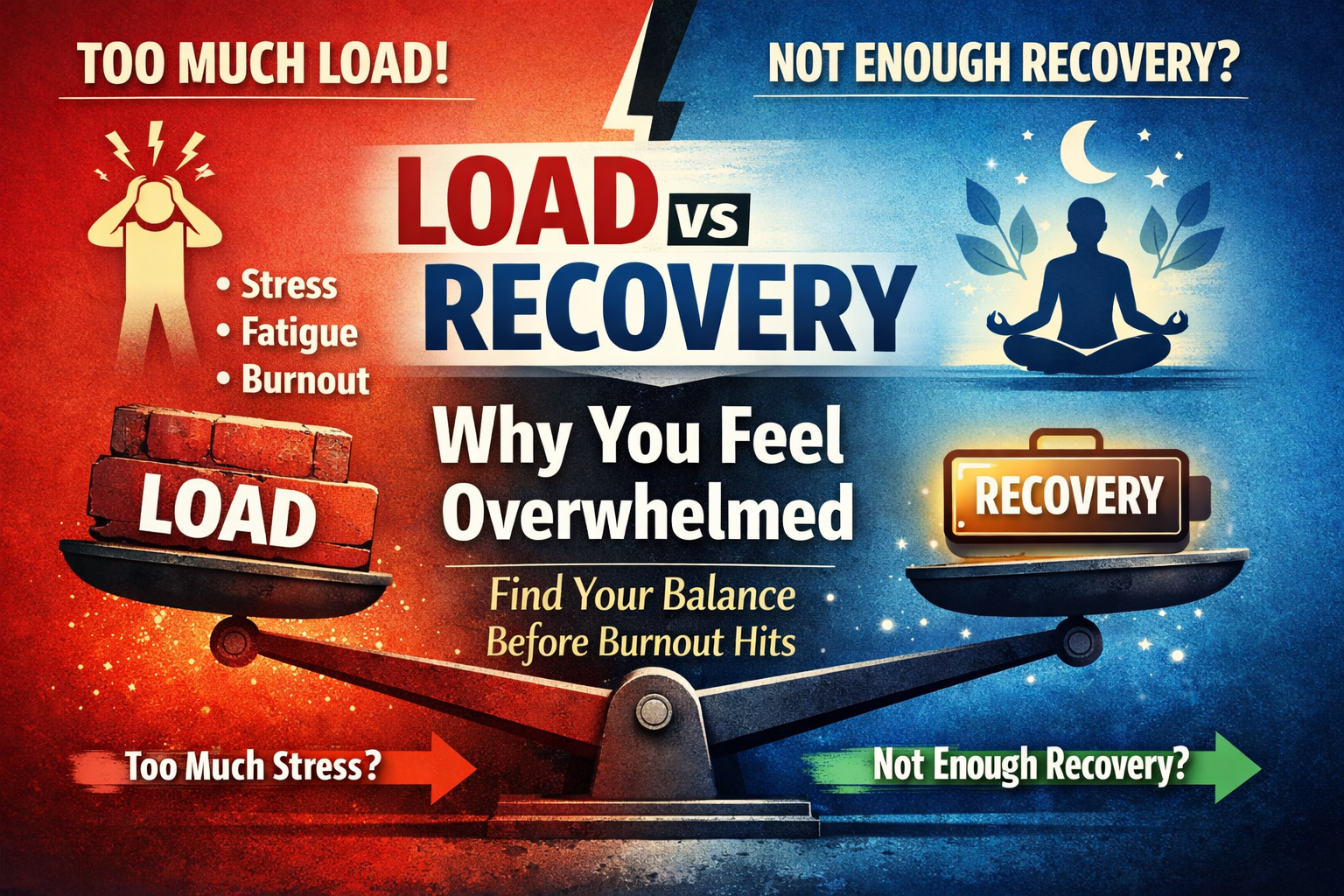
That is the lens behind Load and Capacity. It is also the reason the idea of load vs recovery is so useful. Once you understand the balance between what is being asked of you and how well you are recovering from it, many symptoms stop looking random.
If you want the wider framework first, read The Load vs Capacity model. It explains why the same life can feel manageable in one season and overwhelming in another.
Load is often more ordinary than people think
People often look for one major cause when they feel unwell or overwhelmed. Sometimes there is one. Often there is not. The real issue is the total load created by many small pressures. Individually they seem manageable. Together they may be enough to keep the body under constant strain.
Common hidden loads
Decision fatigue, unfinished tasks, relationship tension, financial worry, commuting, poor boundaries, digital interruption, inconsistent sleep, and always being available can all add load. Because they are normalised, people stop counting them. The body still does.
Why these loads matter
Hidden loads matter because they quietly fill the bucket. If you only pay attention to the obvious stresses, you may underestimate how much your system is carrying. That makes it harder to understand why symptoms have appeared or why recovery never quite catches up.
Seeing the total picture
One of the most useful steps is to make the invisible visible. Write down everything that currently pulls on your time, energy, attention, and emotional bandwidth. Patterns become much easier to change once you can actually see them.
How this fits into load vs recovery
The question is rarely just, “What symptom do I have?”
The more useful question is this:
How much load is my body carrying right now, and how much genuine recovery is it getting?
When load keeps outpacing recovery, capacity usually begins to fall. Things that once felt ordinary can start to feel heavy. Patience shortens. Sleep becomes lighter. Energy becomes less reliable.
That is why load vs recovery is such a practical way of thinking about health. It helps you stop chasing isolated symptoms and start looking at the balance that is producing them.
Useful signs to notice
- unfinished tasks you keep carrying mentally
- being constantly reachable
- small but persistent worries
- too many decisions and too little margin
- not having clear boundaries between effort and recovery
Start with a clearer picture
If this feels familiar, the next step is not to guess and it is not to push harder.
Start by getting a clearer picture of your own pattern.
Take the Free Load and Capacity Assessment to see where your current load is coming from, where recovery is being lost, and what may be reducing your capacity right now.
You can also return to the main framework at Load and Capacity or read the model in more depth at Load vs Capacity.
Related reading
- Do You Need More Rest or Less Load?
- How Chronic Stress Reduces Recovery Capacity
- Load vs Recovery: The Real Reason You Feel Overwhelmed
Final thought
Most people do not need a harsher explanation of what is happening to them.
They need a clearer one.
When you understand load, recovery, and capacity together, the pattern becomes easier to see. And once you can see the pattern, you can start changing it.
